
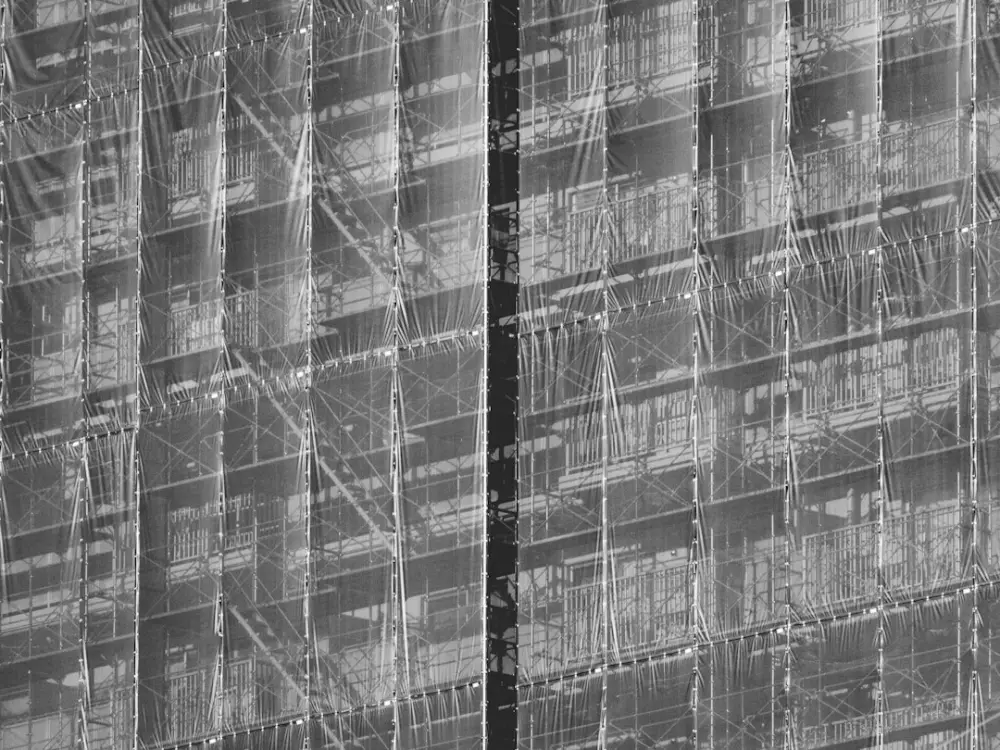
Sustainable real estate development in 2026 requires a comprehensive understanding of every phase of the construction lifecycle. While much attention is given to the final energy efficiency of a building or the recycled content of its permanent materials, the structures that support the building during its creation are equally vital. These temporary works, which include everything from scaffolding and formwork to excavation support and site fencing, represent a significant portion of the project's risk profile and environmental footprint. For portfolio managers and asset analysts, oversight of these elements is a key component of protecting investment value and ensuring project continuity.
Effective planning for temporary works is not merely a technical requirement for contractors; it is a strategic necessity for developers and long-term owners. When temporary structures fail or are managed inefficiently, the resulting delays can cause a cascade of financial losses across a portfolio. By integrating temporary works oversight into the initial planning stages, asset managers can better predict timelines, manage insurance liabilities, and align their projects with modern sustainability benchmarks. This approach ensures that the transition from a design concept to a finished asset is handled with the precision required to maintain high-performance standards.
The Strategic Importance of Temporary Works in Asset Management
Temporary works encompass any engineered solution used to support or protect an existing structure or a permanent work during construction. In the context of large-scale real estate portfolios, these systems are critical for maintaining the structural integrity of neighboring assets and ensuring the safety of the public. If a shoring system fails during a basement excavation for a new high-rise, the impact on the surrounding infrastructure can be catastrophic, leading to legal disputes and significant reputational damage. Therefore, analyzing the temporary works strategy of a development partner is a fundamental part of risk mitigation for any real estate analyst.
From a financial perspective, the cost of temporary works can represent a substantial percentage of the total construction budget. Poorly planned temporary structures often lead to material waste and redundant labor costs. By demanding a clear temporary works policy from contractors, portfolio managers can ensure that resources are used efficiently. This level of oversight also allows for more accurate cash flow forecasting, as the deployment and removal of these structures are major milestones in the construction schedule. This article provides general information and should not be taken as professional legal or safety advice.
Implementing Robust Coordination and Oversight
The management of these temporary elements requires a specialized skill set to bridge the gap between permanent design and site execution. Within the framework of British Standards such as BS 5975, which remains the gold standard for temporary works management in 2026, the appointment of specific roles is essential for maintaining safety and compliance. These roles ensure that every temporary structure is designed by a competent person and checked independently before it is loaded. This systematic approach reduces the likelihood of human error and ensures that the site remains a controlled environment throughout the build process.
When a project enters the construction phase, the appointment of a qualified Temporary Works Coordinator ensures that all non-permanent structures are designed, installed, and dismantled according to strict safety protocols. This individual acts as the central point of contact between the design team and the site operatives, verifying that the temporary works do not interfere with the permanent structure's long-term performance. For the asset manager, knowing that such a role is filled by a certified professional provides a layer of assurance that the project is adhering to best practices in risk management and operational safety.
Enhancing Sustainability through Temporary Works Efficiency
Sustainability in real estate is often measured by the carbon footprint of the finished building, but the temporary phase offers significant opportunities for carbon reduction. Modern temporary works systems are increasingly designed for circularity, utilizing modular components that can be reused across multiple projects. Instead of using bespoke timber formwork that is discarded after a single use, sustainable portfolio planning encourages the use of high-strength, lightweight aluminum or recycled steel systems that can be rented and returned. This shift significantly reduces the embodied carbon associated with the construction process.
In addition to material reuse, efficient temporary works coordination minimizes site disturbance. Well-planned access solutions and support structures can reduce the need for heavy machinery movements, which in turn lowers the site's overall energy consumption and noise pollution. For investors focused on Environmental, Social, and Governance (ESG) criteria, these operational efficiencies are tangible metrics that demonstrate a commitment to responsible development. By prioritizing contractors who employ sophisticated temporary works strategies, asset managers can improve their portfolio's sustainability ratings even before the buildings are occupied.
Integrating Temporary Works into Digital Twin Technology
The year 2026 has seen a widespread adoption of digital twin technology in real estate analysis, and temporary works are now a standard part of these digital models. By including scaffolding, cranes, and shoring in a Building Information Modeling (BIM) environment, analysts can visualize the entire construction sequence in four dimensions. This allows for the identification of potential spatial conflicts between temporary and permanent works long before they occur on-site. It also facilitates a more precise analysis of how temporary structures might affect the surrounding environment, such as blocking sunlight or impeding local traffic flow.
Digital twins also allow for real-time monitoring of temporary structures through the use of IoT sensors. These sensors can track load distributions, vibration levels, and structural movement, providing an early warning system for potential failures. For a real estate analyst, this data provides a high level of transparency into the health of a project. Integrating this information into a portfolio management dashboard allows for more proactive decision-making and provides a detailed audit trail for insurance and compliance purposes. The ability to demonstrate such technological rigor can also be a significant advantage when seeking green financing or institutional investment.
Best Practices for Selecting Development Partners
When evaluating potential contractors or joint venture partners, real estate analysts should look closely at their internal temporary works management systems. A robust approach is characterized by clear documentation, a defined chain of responsibility, and a commitment to ongoing training. It is important to verify that the partner has a dedicated department or a senior lead responsible for temporary works, rather than treating it as an afterthought for the site manager. This distinction often separates high-performing construction firms from those that represent a higher risk to the portfolio.
Inquire about the contractor's track record with complex temporary works, especially in urban environments where space is limited and the stakes are high. Ask for examples of how they have integrated temporary works into their sustainability reporting and how they manage the lifecycle of their temporary materials. A partner who can provide detailed data on these aspects is likely to be more reliable and better aligned with the goals of a sustainable portfolio. By making temporary works a key part of the procurement and vetting process, asset managers can ensure that their developments are built on a foundation of safety, efficiency, and environmental responsibility.
Ultimately, the successful management of temporary works is a hallmark of a mature and sophisticated real estate operation. While these structures are by definition temporary, their impact on the safety, cost, and sustainability of a project is permanent. By fostering a culture of coordination and leveraging modern digital tools, real estate professionals can mitigate the inherent risks of construction and deliver assets that stand as examples of excellence in the built environment. This holistic view of the construction process is what defines the next generation of sustainable real estate portfolio planning.